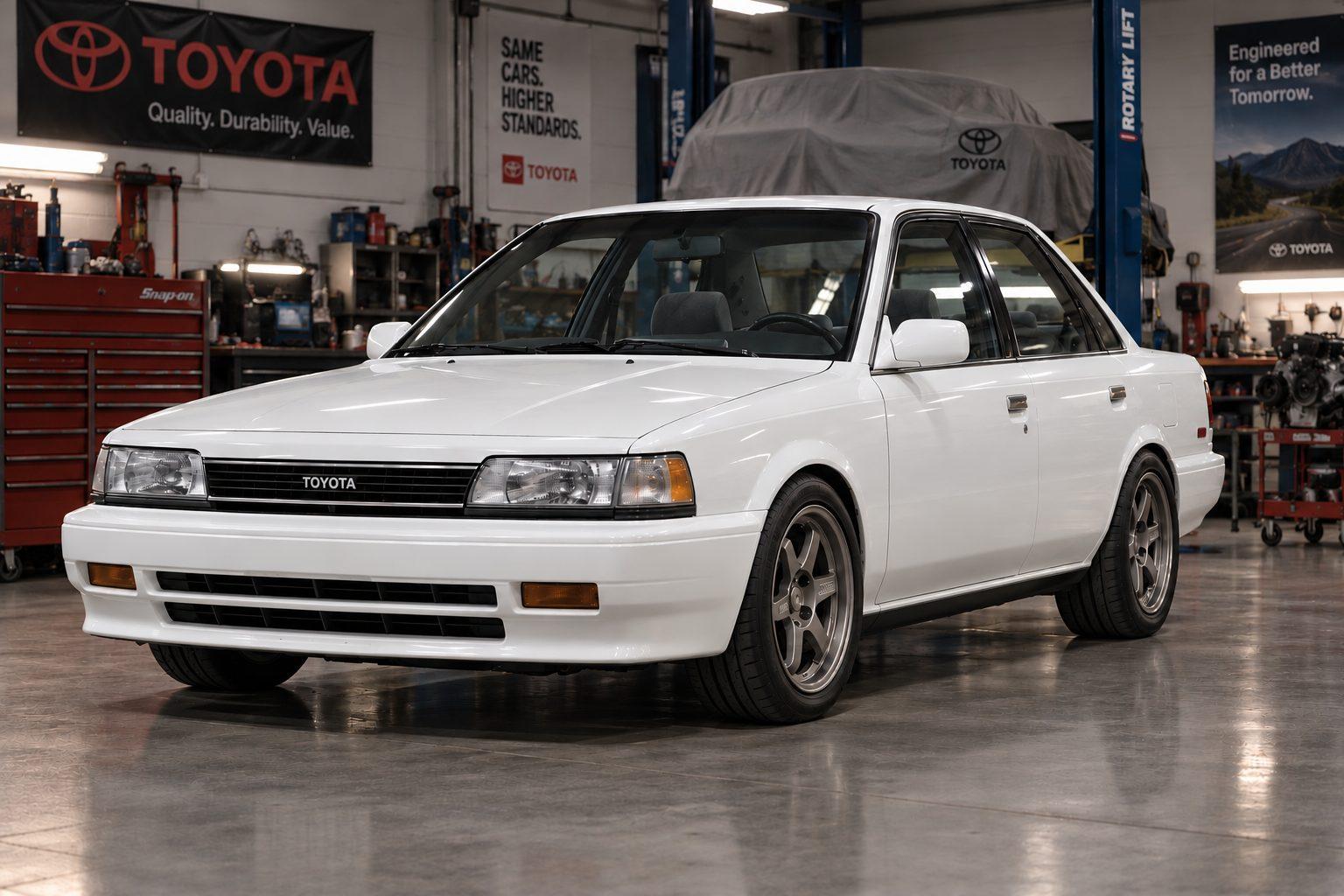
Drag Monster Camry
What if Grandma's Camry ran high-10s and still drove home?
A tube-chassis EcoBoost sleeper with full carbon bodywork and its own ground-up operating system, hiding under a body that still looks exactly like a 1991 Camry.
A sleeper with a history
This is Ryan's grandmother's car, not a salvage find. That's why the outside stays a true sleeper: it still has to look like what it always was. Nothing should look suspicious until someone hears it start or looks under the hood.
One detail is fixed for good. The license plate cover has read “Happiness is spending time with Grandma” for over 30 years, and that text stays on the finished car. A second, sacrificial Camry gets used to prove out the fabrication methods first, so the car that matters is never the practice piece.
An engine chosen by elimination
The 2.3L EcoBoost survived a real shortlist: Ford 302, Coyote 5.0, Barra, BMW B48 and N55, Honda K-series, 3S-GTE and 1JZ-GTE were all evaluated and rejected. It won on packaging, parts availability, aftermarket support and headroom.
The engine is built to survive 800 hp but never tuned past 600 at the wheels. Three switchable maps give about 200, 400 and 600 whp, so the default stays livable and the headroom goes to longevity instead of a bigger number.
Carbon fiber you'll never see
With a tube chassis carrying the loads, every body panel can be replaced: hood, trunk, bumpers and all four doors. Each one is 3D scanned, CNC-cut into a buck, molded, laid up in carbon, then filled and painted to match the factory finish exactly. The carbon saves the weight. The paint hides that it happened.
Anyone can swap a head unit
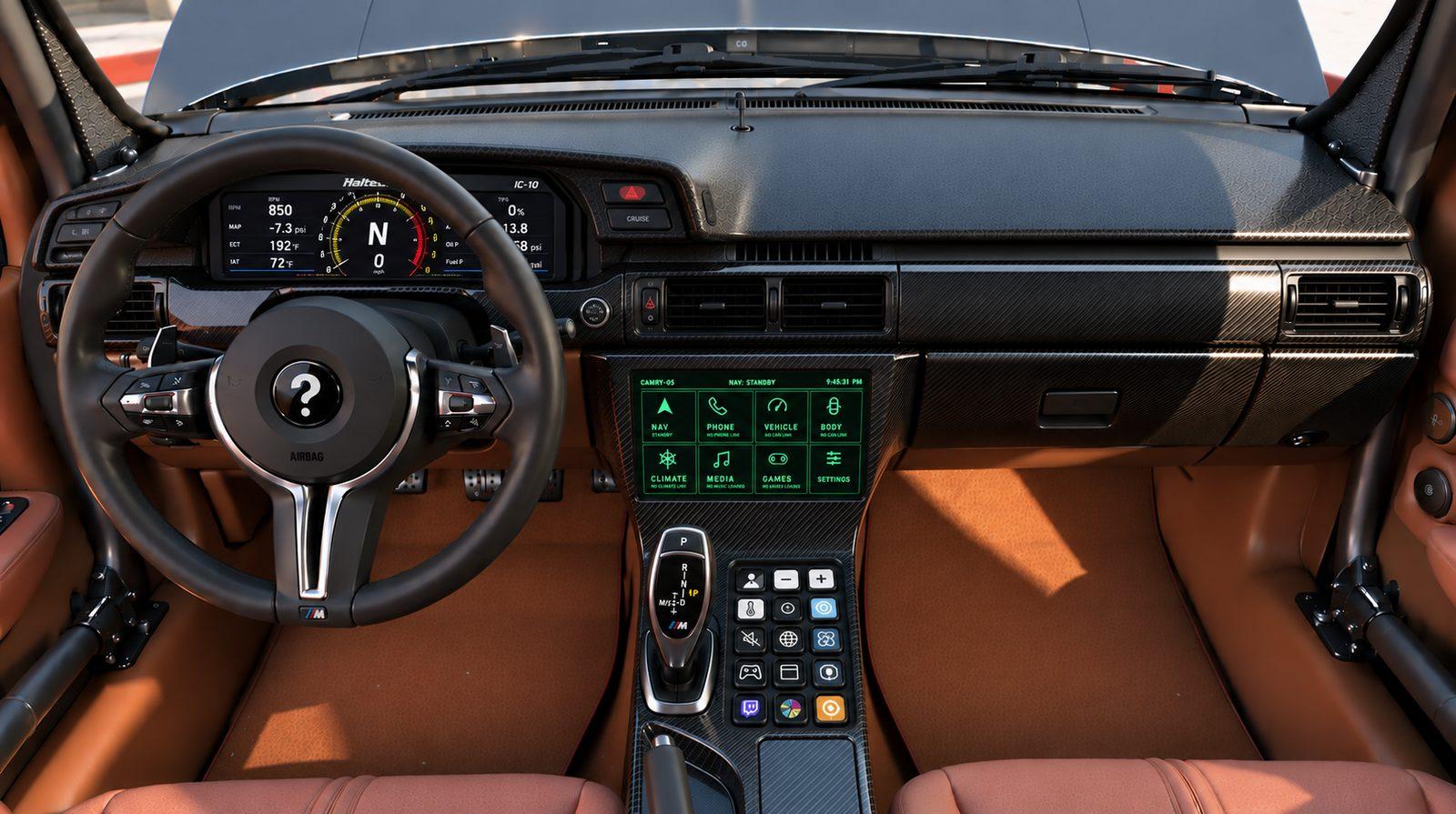
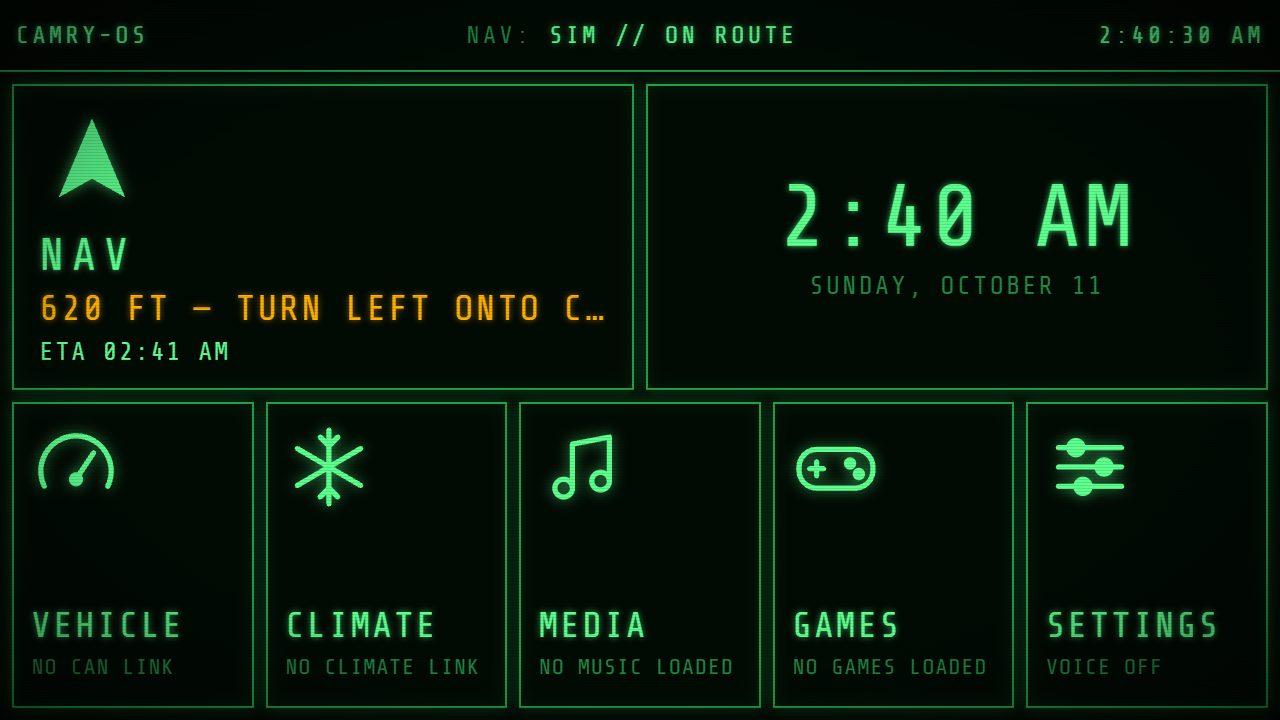
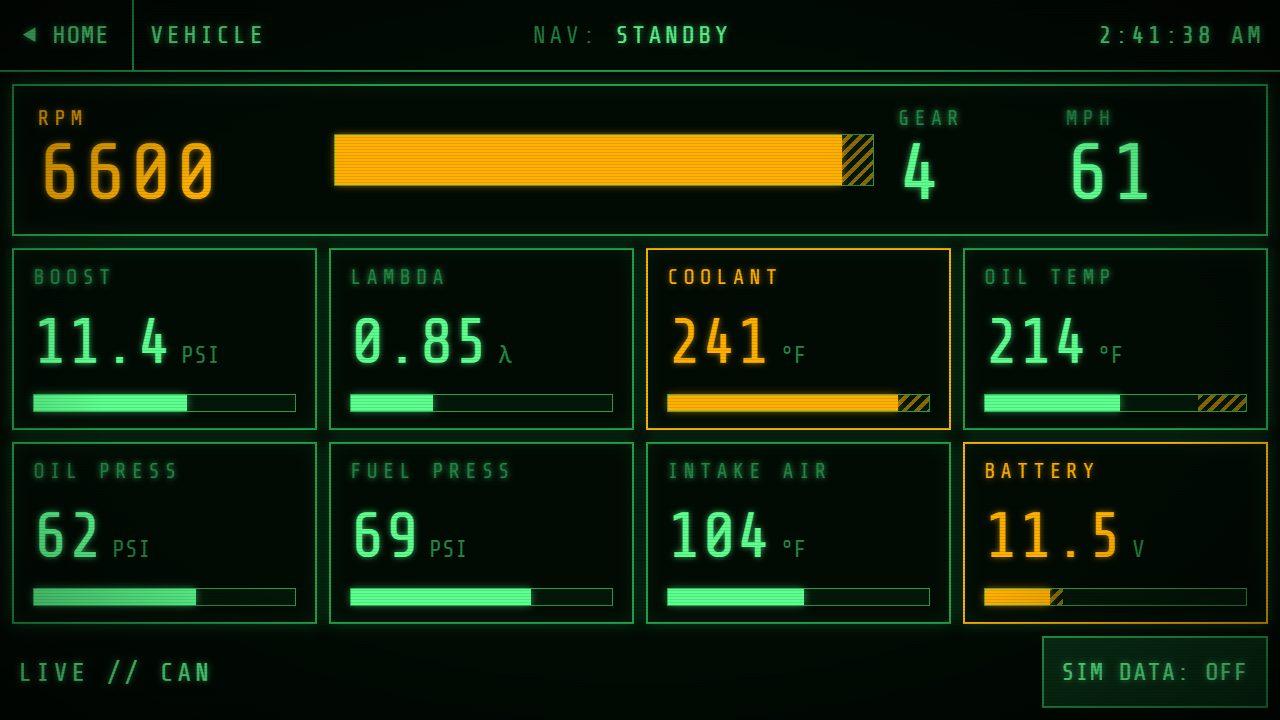
The Camry runs CAMRY-OS, an infotainment system written from scratch for this car. Turn-by-turn navigation with offline maps, routing and search. Spoken directions. A vehicle page that reads engine data off the car's CAN bus in listen-only mode, so it can never disturb the car. Climate controls, media with steering wheel buttons, and games that only unlock in Park.
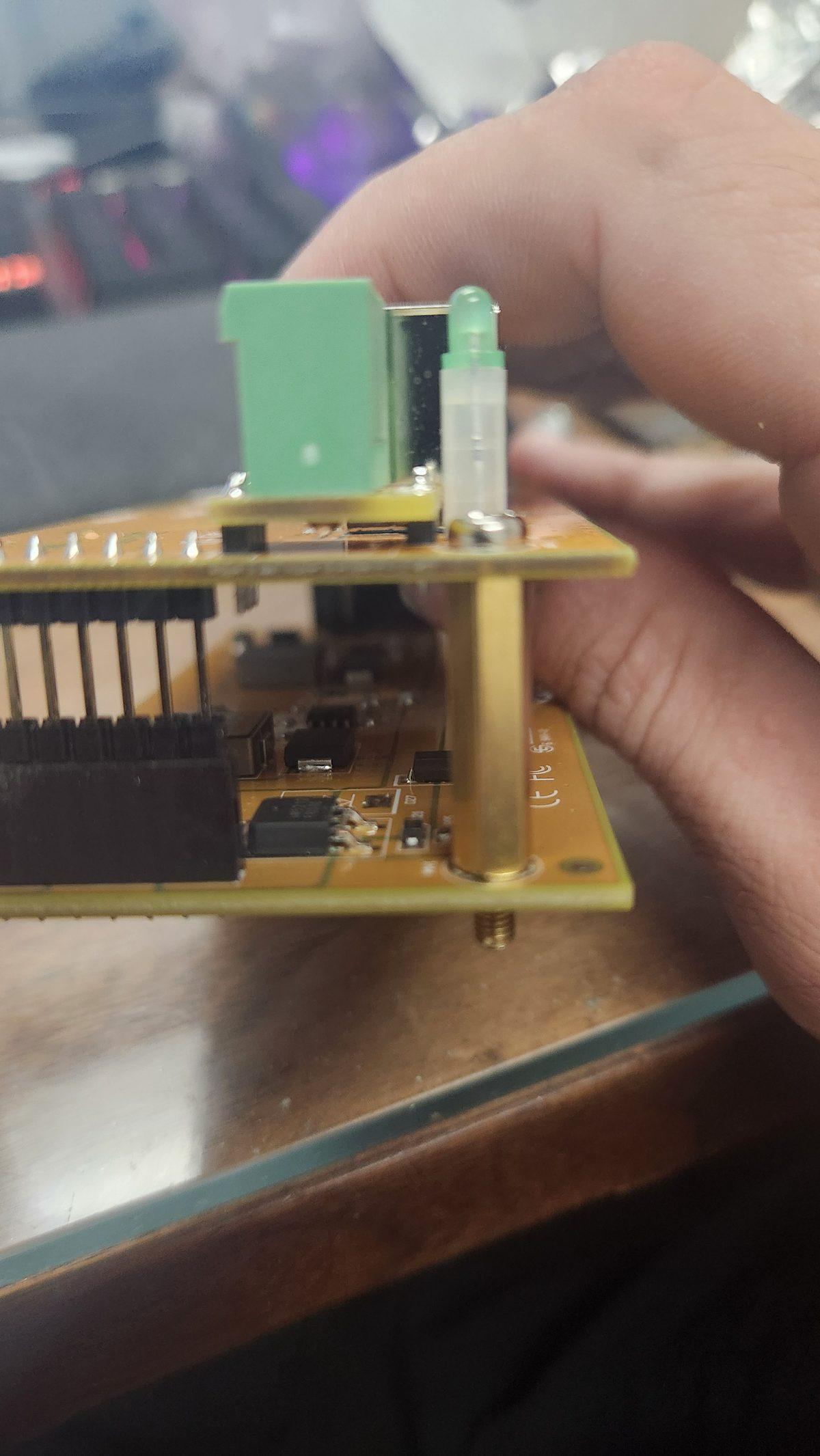
Underneath it is a full vehicle network: two ODROID H5 computers (one for infotainment, one drawing the gauges and camera views) on their own isolated battery so cranking can't reboot them, a managed shutdown so Windows always powers down cleanly, four separate CAN buses plus LIN, a BMW F10 steering column with its own interface board, camera views that switch with the turn signals, and a custom body control module that gives the stock 1991 window switches BMW-style auto up/down and remote open.
Safety isn't a shortcut
Cage geometry follows SCCA standards, with NHRA tech consultation before it's finalized and an ASE Master Technician sign-off on the assembled car. Those steps are part of the build, not paperwork to route around.
Gallery
Follow along
Where the build stands
Progress by system, newest first. “Chosen” means picked, not bought yet; “designed” means drawn, not built yet.
Latest updates
Bench box V2 in design: battery power
The next bench box runs on its own battery and charges over USB-C like a laptop. It's still being designed, including a custom charger board and a 12 V converter board. CAMRY-OS already reads the battery's charge level, ready for when it's built.
A custom dash instead of an off-the-shelf one
The planned Haltech dash is dropped. The second ODROID H5 runs Linux for fast boot (the reverse camera can't wait), drives a 10.1" screen directly, and draws both the gauges and the camera views. It listens to the engine and body buses. Hardwired lamps for oil pressure, coolant, check engine and charging stay as a backup.
Sealed cases for the custom boards
Both custom boards get clamshell cases with the connectors held in a groove, a one-piece gasket, a breather vent, and a sealed connector for the window motor power.
GPS working, and it runs like an appliance
The USB GPS receiver is giving live position on the bench. CAMRY-OS now starts full screen with its own icon, so it behaves like the car's system rather than a web page. Before it goes in the car, it gets packaged as a single app that starts with the computer.
Games for passengers
The GAMES page runs retro games on a second screen for passengers, with save states and controller layouts. The driver's screen locks games out unless the car is in Park.
HVAC controller board designed
A custom board moves the blend, mode and recirculation doors and talks to the rest of the car over CAN. The blower, defroster and seat heaters stay on the power distribution module. Draft schematic and circuit board layout done.
A clean shutdown every time
At key-off, the power module presses each onboard computer's power button, waits until it has shut down, then cuts its power. Windows never just loses power, even if a page has crashed.
Physical controls: a Stream Deck beside the shifter
Instead of a BMW iDrive knob, an Elgato Stream Deck Module 15 sits in the console. Each key is a tiny screen, so the buttons change with the page. It's working with CAMRY-OS on the bench, in a printed case that hangs on the bench box.